
This post may contain affiliate links. I may earn a commission at no additional cost to you.
If you have ADHD, visibility isn’t a design preference — it’s a necessity.
“Out of sight, out of mind” isn’t laziness. It’s object permanence challenges combined with executive dysfunction. When items disappear into drawers, cabinets, or opaque bins, they effectively stop existing in your mental workspace.
That’s why visual organization systems work so well for ADHD brains.
If you haven’t read it yet, this post builds on the principles outlined in our
👉 Ultimate Guide to ADHD-Friendly Home Organization
Why Visual Systems Work for ADHD
Visual systems:
- Reduce cognitive load
- Improve follow-through
- Make resetting easier
- Decrease decision fatigue
When you can see what you own, you’re more likely to use it, maintain it, and put it back.
1. Clear Storage Bins
Clear bins remove guesswork. No opening, no searching — just visibility.
Best for:
2. Open Shelving
Open shelving works better than hidden cabinets for frequently used items.
Best for:
3. Bold, Simple Labels
Avoid tiny aesthetic labels. Use high-contrast, easy-to-read labels that reduce friction.
4. Visual Task Boards
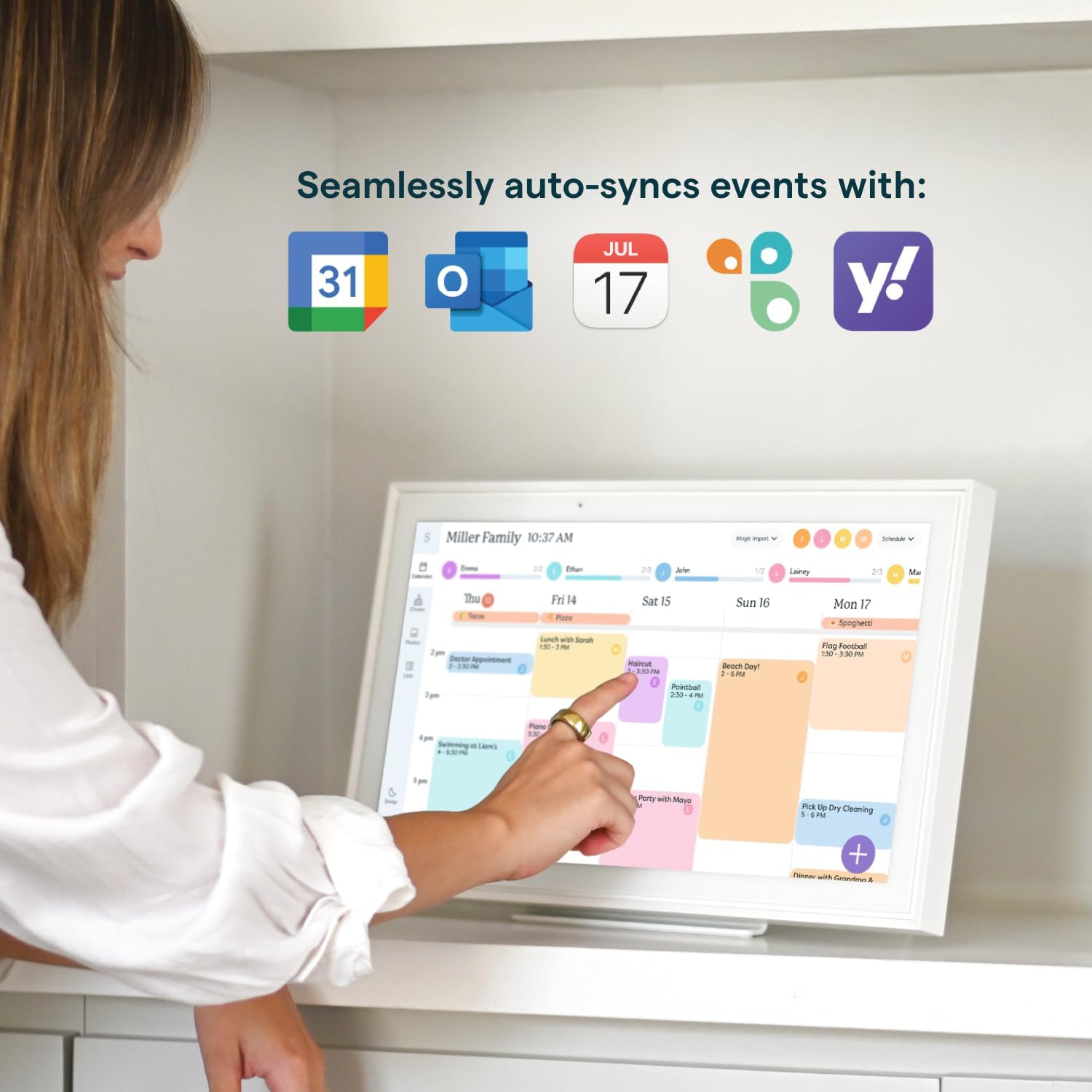
Whiteboards or wall planners make tasks visible. This improves task initiation dramatically.
Visual Task Boards (ADHD-Friendly Picks)
Best for: Families / kitchen command center
Why it works: Visible priorities + easy wipe-and-reset.
View on Amazon
Best for: Home office / study zone
Why it works: Big visual space supports task initiation + follow-through.
View on Amazon
Best for: Daily priorities + quick wins
Why it works: Keeps focus on “today” and reduces overwhelm.
View on Amazon
(You may also like: Executive Dysfunction Hacks)
5. Open Drop Zones
Instead of hidden baskets, create visible drop zones for:
This prevents the “where did I put that?” spiral.
Avoid Visual Overload
There’s a balance.
Too much visual clutter can overwhelm the ADHD brain. Use:
- Defined zones
- Limited categories
- Simple containers
Final Thoughts
Visibility improves consistency.
When your systems are visible, you don’t rely on memory — you rely on your environment.
For the full system framework, see:
👉 The Ultimate Guide to ADHD-Friendly Home Organization

Leave a Reply